
The Early History of the Wee Burn Country Club
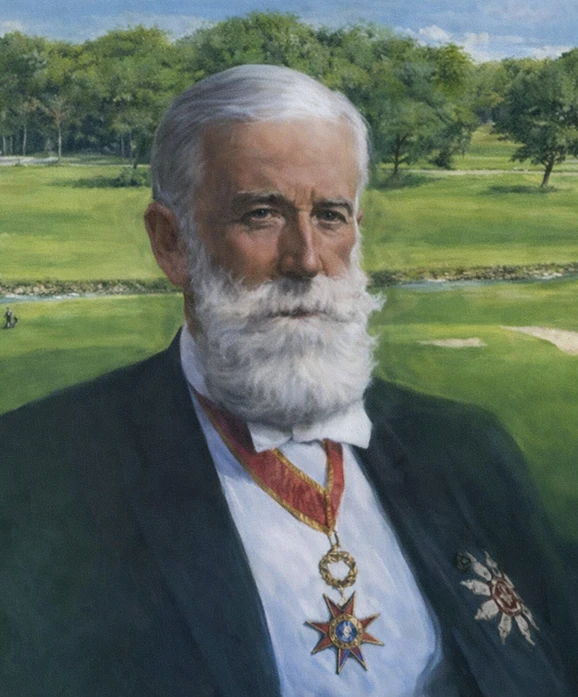
Knowledge of the early days of Wee Burn come down to us mostly through the diary of John D. Crimmins, the club’s initiator and its first president. As the diary describes, Mr. Crimmins and his son Thomas were taking surrey ride one day in June of 1893, when they came upon two men, Augustus Floyd Delafield and Dr. William French playing a little known game of Scottish origin. The game was golf, an activity that Mr. Delafield and a small circle of friends pursued in an open field where several holes had been laid out. Local interest in this game of golf grew, until, in April of 1896, John D. Crimmins called a meeting of the local golfing gentry at his home to formalize the foundation of the club. Soon after, George Strath, a Scottish professional golfer/landscaper was hired to lay out a golf course and instruct members in thetechniques of the golf swing.
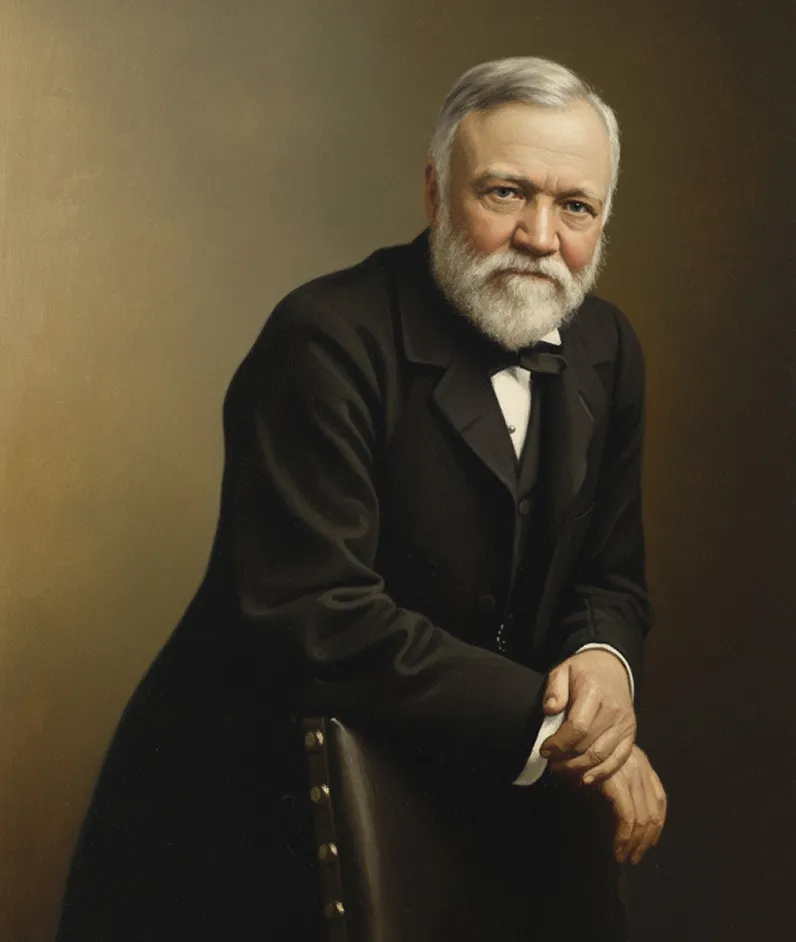
The Club’s name was suggested by Andrew Carnegie, the steel magnate, who was a friend of Mr. Crimmins and maintained a home called “Brick House” in Darien. Carnegie, a Scot, was an avid (and excellent) golfer and a member of St. Andrews in Westchester. He suggested that the club be named for the predominant characteristic of the terrain, Stony Brook, which flowed from the hills through the course, in two branches, crossing several holes. The Scottish term for the narrow stream, “wee burn” was adopted as the new club’s name.
In 1897 Wee Burn joined the United States Golf Association, and subsequently the Metropolitan Golf Association. Wee Burn became a charter member in both the Connecticut State Golf Association (1899) and Women’s Metropolitan Golf Association (1900).
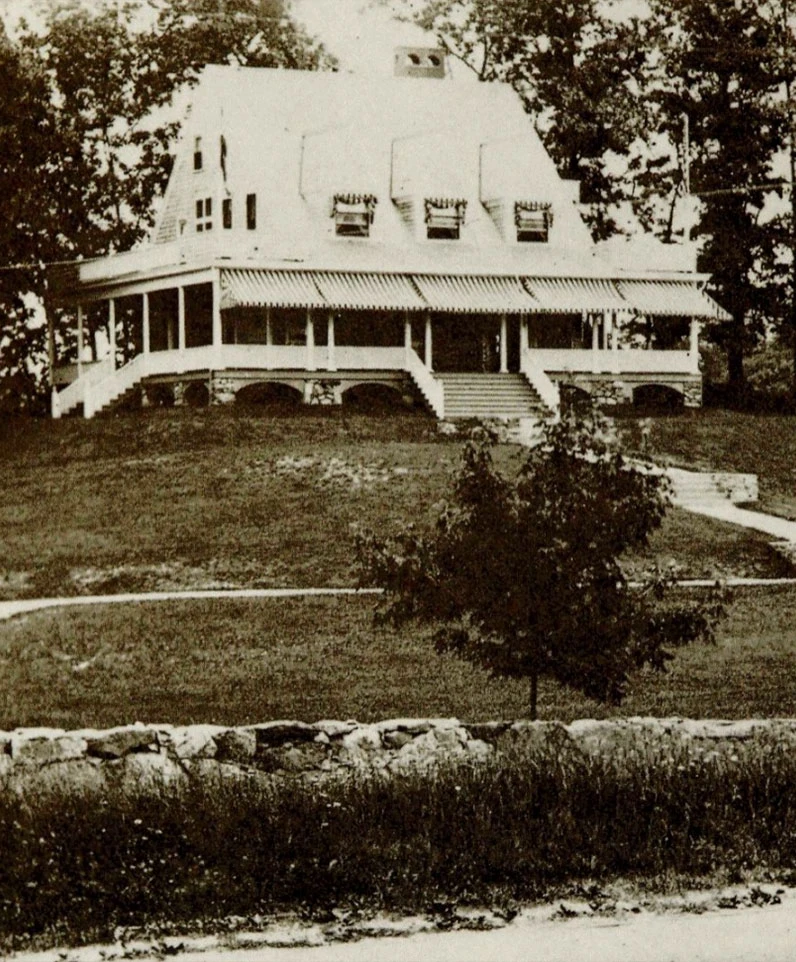
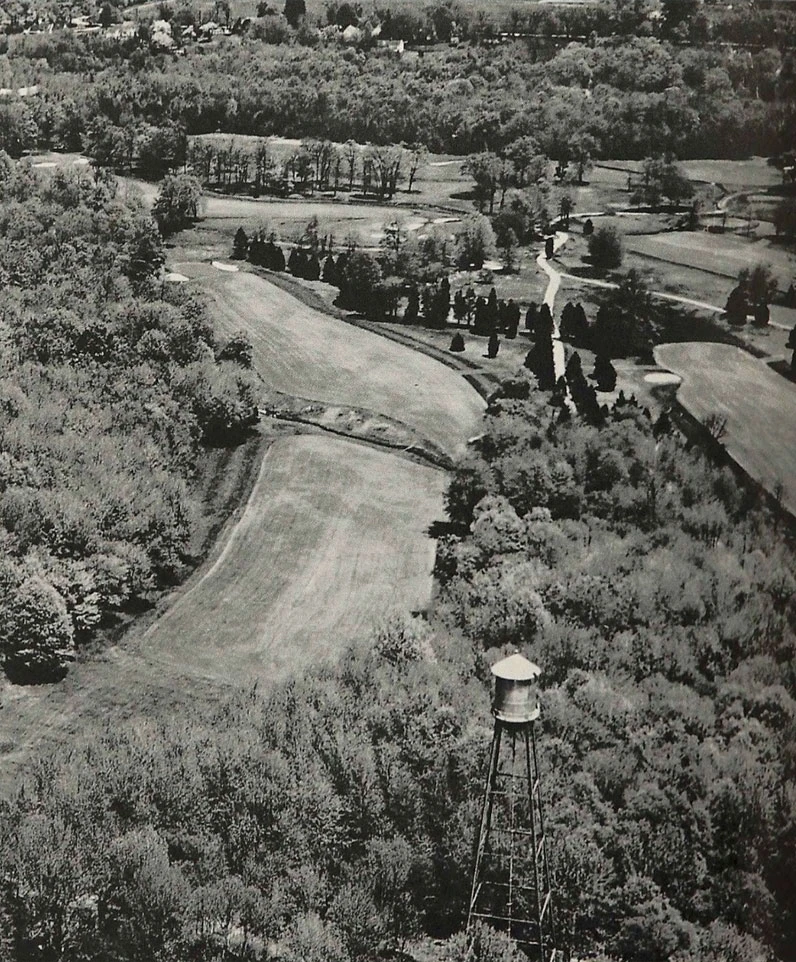
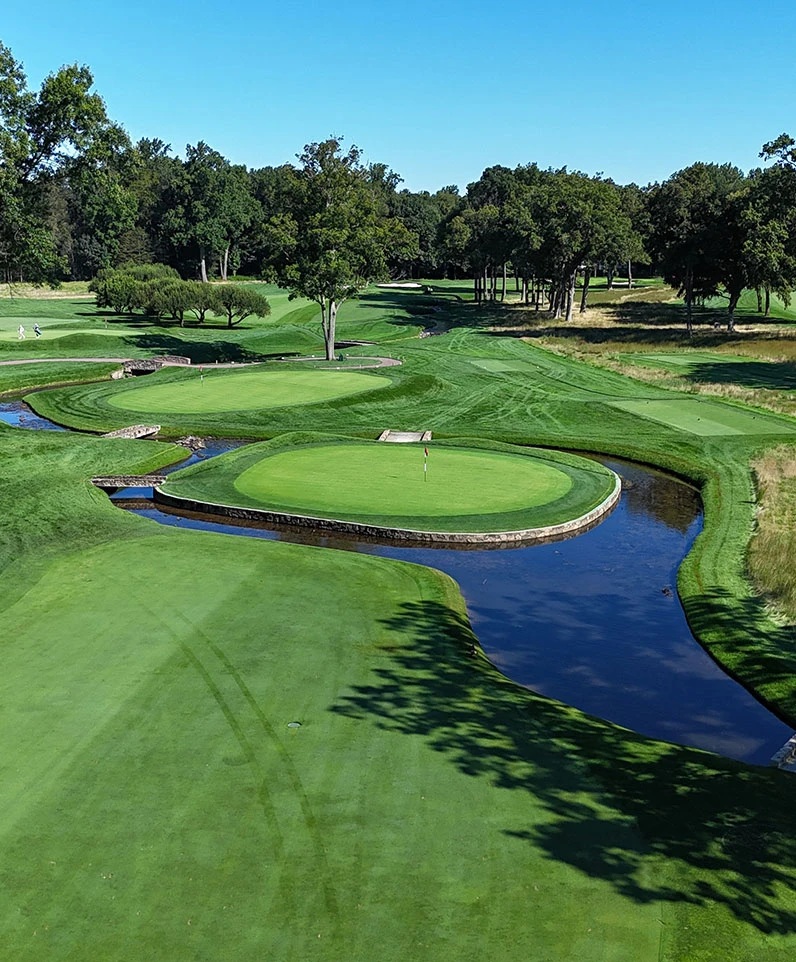
The first Wee Burn course was located in the rear of the present site of St. Luke’s Church in Noroton, with additional property later added to make a nine hole golf course. One of the early clubhouses still stands high on a hill in Clubhouse Circle in Darien. In 1923, The Wee Burn Development Company was formed and the property for our current club was purchased. World famous Devereux Emmet was engaged to design an eighteen hole golf course. Work on the new golf course started in November of 1923, and as construction reached completion, work on the new clubhouse began. In September of 1926, the new clubhouse was officially opened and referred to by the local Darien Review newspaper as “a Castle of Dreams.” Incidentally when Wee Burn moved to its present site, th “’wee burn” came along – Stony Brook played a key role in the design of the new golf course.
A tradition of excellence
Since 1896
1893
Discovery and Founding
In June 1893, John D. Crimmins and his son encountered Augustus Floyd Delafield and Dr. William French playing golf on open land in Darien. The moment sparked Crimmins’s vision to introduce the game to the local community.
1896
What’s in a Name? – “Wee Burn”
In April 1896, he hosted a meeting at his home to officially establish the club. Shortly thereafter, George Strath, a Scottish golf professional and landscaper, was hired to design the first course and instruct members in the art of the game.
The Club’s name was proposed by Andrew Carnegie, famed industrialist and Crimmins’ friend. Inspired by Stony Brook, the small stream that crossed the golf course in multiple places, Carnegie suggested the Scottish phrase for a small stream—“wee burn.” The name was adopted with pride.
1897
Joining the Golfing Elite
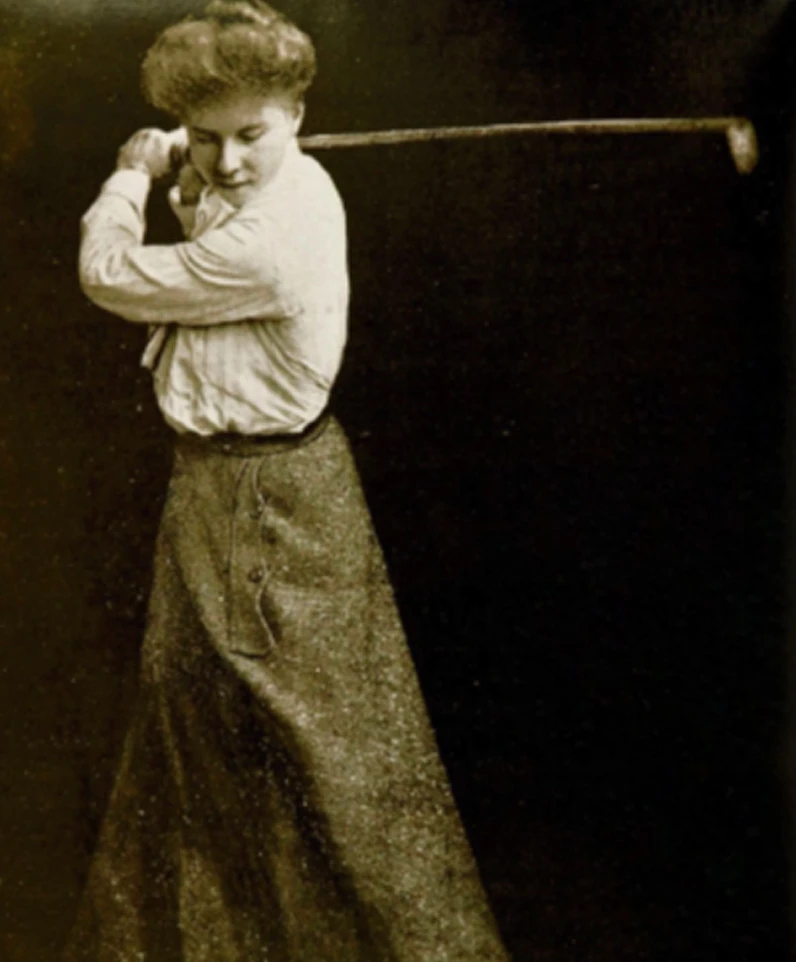
Wee Burn joined the United States Golf Association (USGA) in 1897 and became a charter member of both the Connecticut State Golf Association (1899) and the Women’s Metropolitan Golf Association (1900) - pioneering women's inclusion in golf. Among the distinguished players to grace Wee Burn’s fairways was Genevieve Hecker, the national women’s amateur champion in 1901 and 1902.
1899
Early Clubhouse Days
The club’s first course was located behind the current site of St. Luke’s Church in Noroton, eventually expanding to a full nine holes. One of the original clubhouses still stands on Clubhouse Circle in Darien - a living piece of club history.
1923
A New Era Begins
In 1923, the Wee Burn Development Company acquired the Club’s current property. Renowned architect Devereux Emmet was commissioned to design an 18-hole course, with construction beginning later that year, followed by plans for a new clubhouse.
1926
The Castle of Dreams
In September 1926, the stunning new clubhouse opened and was hailed by the Darien Review as a “Castle of Dreams.” As part of the new course, Stony Brook, the original “wee burn”, was carefully woven into the layout, becoming both a beautiful and strategic feature.
